|
|||
Diablada Dance Candelaria Feast - Puno (Photo © J. Mazzotti) |
|||
|
|||
San Santiago Feast Taquile Island - Puno (Photo © J. Mazzotti) |
|||
|
|||
Peruvian Paso Horse and Marinera Dance Trujillo (Photo © J. Mazzotti) |
|||
|
|||
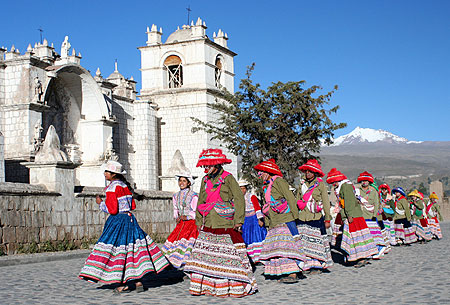
Traditional Dresses Colca Valley - Arequipa (Photo © J. Mazzotti) |
|||
|
|||
Dakar Rally |
|||
|
|||
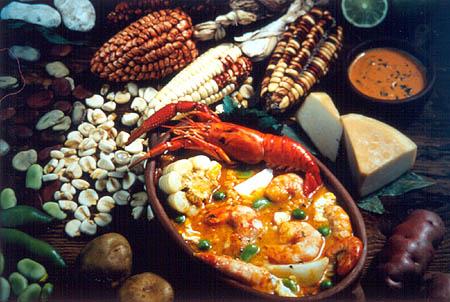
Peruvian Cuisine (Photo © PromPeru) |
|||
|
|||
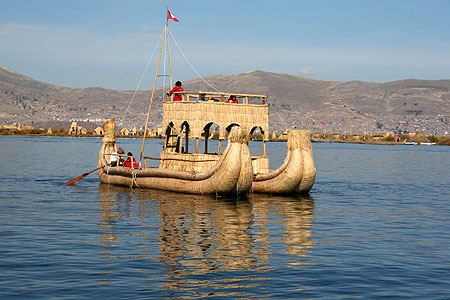
Reed-boat in Uro's Island Lake Titicaca (Photo © J. Mazzotti) |
|||
|
|||
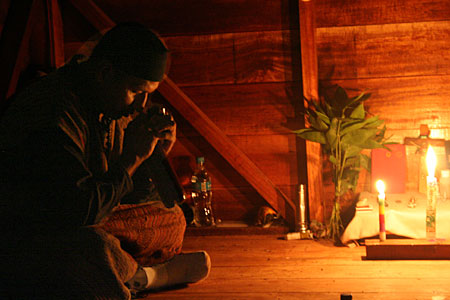
Ayahuasca Ritual (Photo © J. Mazzotti) |
|||
|
|||
Chinchero Indian Market Cuzco (Photo © J. Mazzotti) |
|||




Peru News and Tourist Events
January
-
New Year (January 1ft)
Location: All PERU (non-working)
Event: Cuzco Varayoc - Power on a stakeAt the beginning of each year the oldest men of each community of the area (yayas) meet to nominate the candidates who will become the maximum authorities of their towns: the Varayocs. At a party sprinkled with chicha (macerated corn) and llonque (brandy), the Mayr or Varayoc receives the rod or staff that symbolizes power. It is a pre-Hispanic custom concealed in Western forms. The rods are made of chonta, black hualtaco, huallacán or quince, measure about one meter long and are inlaid with silver and gold (in the Municipality of Cuzco there is a small museum with some of the most beautiful specimens). When a varayoc ceases in its functions it does not have any charge in his community and becomes a venerable elder.
-
Dakar
Location: South Coast of Peru and ArgentinaPeru fascinated those who managed to reach that phase of the rally, all pilots and teams will have the sensation of crossing the dunes of the Peruvian coast again until they reach the wild mountain range to enter Argentina.
See more information in www.dakar.com
Photos of the Dakar in Peru -
Anniversary of the founding of Lima (January 18)
Location: LimaIts celebrated in January in the Historical Center of Lima with activities related to tourism and cultural
-
Festival of the Marinera
Location: TrujilloOne of the most elegant dances of Peru is the marinera. It is a courtship that is danced as a couple, beating the air a handkerchief with the right hand, a movement that serves to keep the beat of the complex choreography. The "coqueteo" (game of requiebres between both dancers) and the skillful "brushing" with the feet are characteristic steps of the marinera. The naughty sailor libertarian dance with hat and poncho for the male and dress for the lady. In the second week of January, in the Gran Chimú Coliseum in the city of Trujillo, the most important contest of this dance is organized, organized by the Freedom Club, which couples from all over the country attend. During the days of the festival there are also parades of floats and an atmosphere of festivity to the city. The Trujillanos "take" the Plaza de Armas, where they dance and celebrate.
February
-
Feast of the Virgen de la Candelaria (February 2st)
Location: PunoThe central day is February 2st, the feast in which the Virgin is venerated. This day the Virgen de la Candelaria leaves the temple and goes through the streets of the city of Puno.
-
Carnivals (second half of February)
Location: All the PERUCarnivals are celebrated in various parts of the country during the second half of February. The carnivals that stand out most are those of Ayacucho, Catacaos, Cajamarca and Tacna, among others.
March
-
International Vendimia Festival of Ica
Location: IcaThe first weekend of March celebrates the harvest of the grape. It is a party where wine and pisco competitions are held, and local and international artists are present.
-
Señor de los Temblores
Location: CuzcoIt is celebrated between the second fortnight of March and the second of April in the city of Cuzco
-
Holly week (March 29 -30th)
Location: All the PERUReligious festival and is celebrated throughout the country. One of the most special places to visit during this festivity is the city of Ayacucho famous for its incredible religious ceremonies.
- Date may vary
April
-
National Contest of Paso Horses (April 8-15th)
Location: Mamacona - LimaThe Paso Horse is a Peruvian horse race that comes from the Spanish horses during the period of the Conquest and the early days of the Colony.
May
-
Señor de Muruhuay (May 3th )
Location: JuninFestivity considered one of the most important of the center of PERU, has as its central date May 3th, although it is celebrated all month and sometimes part of June, when a mass is made in Quechua language and the faithful deliver a letter to God with thanks and asking. This month is full of parties with typical dances of the region and traditional meals.
-
Virgen de Chapi (May 1ft )
Location: ArequipaIt's also called Virgin of the Purification. Its central day is May 1, and apart from being a religious festival there are also traditional music and foods. In this celebration the dessert of Arequipa is crossed, during which the faithful take stones to form apachetas that represent their sins.
-
Qoyllur rit’i (May 27-30th )
Location: CuzcoThe most important religious ceremony of the city of Cuzco, the celebration takes place between May and June. It is the most important and largest pilgrimage of indigenous nations in the world.
-
Corpus Christi (May 31th)
Location: CuzcoThe most important festival of Corpus Christi takes place in Cuzco with gastronomy, parties and processions. It takes place in May or in June.
June
-
Inti Raymi (June 22th)
Location: CuzcoIt's the traditional Inca religious ceremony where honor is given to the sun god of the Incas, date that is the winter solstice of the southern hemisphere to obtain better harvests.
-
Fiesta de San Juan (June 23th)
Location: Iquitos, Moyobamba, Tingo María y UcayaliCeremony in honor of the San Juan, the most outstanding take place in Iquitos, Moyobamba, Tingo María and Ucayali. During the festival symbolizes the renewal of the faith, and everything accompanied with music, typical foods and dances.
July
-
Independence holidays ( July 28-29th )
Location: All the PERUOn the 28th of this month the Independence Day of Peru is celebrated with many parties accompanied by music, dances, gastronomy, and others.
August
-
Santa Rosa de Lima (August 30th)
Location: All the PERUThe day of the Patron Saint of the Americas and the Philippines is celebrated. On this day the faithful visit their sanctuary and the hermitage that they built.
September
-
International Spring Festival
Location: Trujillo
It is a party during which you can enjoy a parade of floats with the Queen of Spring.
-
Inca Festival of the Warachicuy
Location: Cuzco
Evocation and Scenes of the Inca Festival of Warachicuy, this festival takes place in Cuzco on the third Sunday of September. It is a celebration in which the traditional art of that culture is manifested.
October
-
Lord of Miracles (several days)
Location: LimaIn October, the faithful celebrate the Cristo Moreno and on the most important day of the festival there is a procession where the faithful dress in purple habits and pray and sing.
November
-
All Saints 'Day and All Souls' Day ( November 1ft)
Location: All the PERUIt takes place on the 1st and 2nd of this month in all of Peru, but the most important are in Cajamarca and Piura.
December
-
Indian Market (every Sunday)
Location: Cuzco, Písac y Chinchero
On Sundays there is a fair in which merchants and farmers exchange their products, even using barter (exchange). Craftsmen's Fair An excellent opportunity to make contact with the Andean natives and the best artists. Mass in Quechua language in Pisac with participation of the Varayocs; Multicolored clothes and beautiful dresses. (Photos of Indian Market in Pisac)
-
Santuranticuy (December 24th)
Location: Cuzco
It had its origin in the era of the Viceroyalty and today has become one of the largest craft fairs in Peru. It takes place in the Plaza Mayr del Cuzco, where the artists tend their blankets, following the custom of traditional Andean fairs. Santuranticuy, which means "sale of saints", is a temporary market where image makers and artisans offer the most diverse figurines to brighten the Christmas holidays and accompany the cribs or "births" that are assembled in homes and parishes. There are also various clay articles brought from Pucará and Quinua. Here you can find all kinds of handicrafts such as wood carvings, pottery and altarpieces. During the nights the traditional punches are sold to warm up the body.
-
Andean Christmas (December 25th)
Location: Cuzco
The rural context that accompanies the arrival of the Child Jesus has determined an immediate identification with the festivity, highlighted by the artisan creativity, the aesthetic sense and the religious devotion of the Andean settlers. In this way, Andean Christmas has been gaining particular characteristics thanks to the integration of elements of each region. These elements are characterized by the extreme care that is observed in the decoration of armed births in churches and houses, the performance of dances, dramaturgical performances, typical dishes and a whole range of handcrafted creations such as the carving of births in stone of Huamanga, the altarpieces with images alluding to Christmas, ceramics or mates burilados with paschal motifs. In the Mayría of the Andean localities this celebration extends until the Bajada de Reyes (January 6th) in which the traditional gifts are offered.
-
Feast of the Virgen del Carmen - La Peoncita (December 27th)
Location: El Guayabo and El Carmen - Chincha
The Virgin of Carmen is the most venerated image in Peru after the Lord of Miracles. His cult goes back to the time of the Colony when the brothers of the Order of Carmel arrived. In various localities of Ica (300 km south of Lima) as in the areas of El Carmen and El Guayabo, in Chincha (200 km), where the Mayr concentration of Afro-Peruvian population resides, a special cult is rendered to ends of each year. The peculiarity is that here it is known as "La Peoncita" because of its connection with the teenagers who perform the dance of the negritos and pallitas to celebrate the Virgin.
| Lima's Nightlife and Entertainment | ||
|---|---|---|
 |
LarcoMar - Miraflores | |
| Gathered in one of the nicest stops to hang around in Lima is the largest variety of entertainment oriented in services: You will find 12 cinemas, pubs, bars, discotheques, many restaurants and a bowling.
|
||
|
Creole and Peruvian Cuisine | |
|
||
|
Pubs & Bars | |
|
||
|
Discotheques | |
|
||
|
Live Creole and Peruvian Music - Peñas | |
|
||
| Cuzco's Nightlife and Entertainment | ||
|---|---|---|
|
Creole and Peruvian Cuisine | |
|
||
|
Pubs & Bars | |
|
||
|
Discotheques | |
|
||